
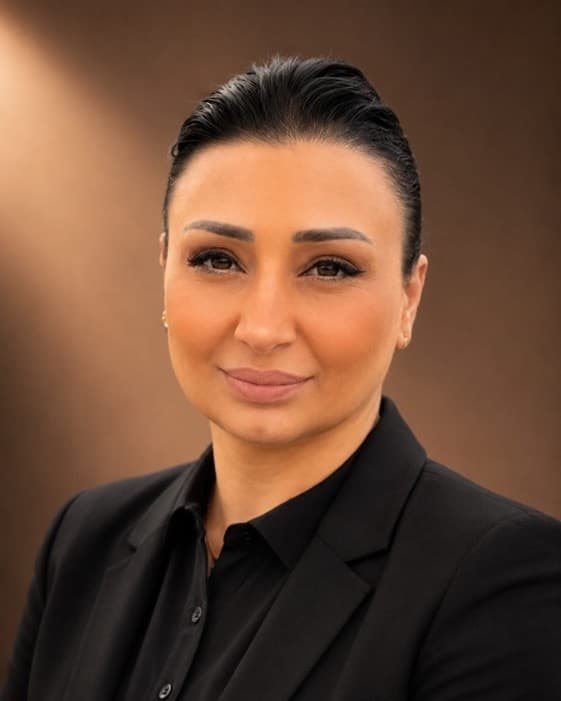
I spent seventeen years in Diplomatic Security at the U.S. Embassy in Baku, six of them on the Executive Protection Detail for three different U.S. Ambassadors. In that time I put a lot of rounds downrange. I trained on the Glock 17 and 19, the AR-15 and M4, the AK-47. None of that is what actually kept anyone safe.
Firearms are only one part of the protective mission. Effective training for a protection role has to prepare the operator for a dynamic, unpredictable environment: situational awareness, movement, communication, protective driving, reading the environment, holding discipline under pressure. Accuracy alone does not make an effective operator.
Much of basic civilian firearms training centers on individual safety and marksmanship. Protection work adds responsibility for the principal, the team, bystanders, and the surrounding environment, and weighs the consequence of every decision at the same time. Law enforcement operates under a different mission and legal framework. Close protection remains centered on the safety and movement of the principal. Close protection exists to prevent and respond to threats against one specific person, and that changes everything downstream of it.
THE ONE PERCENT PROBLEM
The security community is obsessed with fantasy scenarios: high-speed driving, dynamic room clearing, range theatrics. Operators train for the one percent tactical firefight that almost never happens, and the ninety-nine percent that actually decides whether a detail succeeds gets treated as an afterthought.
That ninety-nine percent starts with advance work and logistics. Knowing the FBO layout, the route choke points, and having a Plan B, C and D locked in before the client even lands is what keeps a client safe and a contract alive.
It continues with soft skills and profile management: blending into high-net-worth environments, reading the room, de-escalating quietly without looking like a tactical roadblock. And it includes protective intelligence, spotting anomalies early and understanding digital footprints so you never have to draw a weapon in the first place.
You get operators who look great on a flat range but burn client trust because they freeze when a flight gets delayed, ruin the VIP's image in public, or get blindsided by a completely preventable logistical failure. They prep for a firefight and fail at basic awareness and smooth facilitation.
Operators train for the one percent tactical firefight that almost never happens, and the ninety-nine percent that actually decides whether a detail succeeds gets treated as an afterthought.
Prioritizing advance work and intelligence over range time matters more than another hour on the timer. Scouting routes, coordinating with FBOs and hotel staff, and spotting choke points before the client arrives can prevent avoidable problems before they reach the principal. Fix the prep and the mindset, and you rarely have to rely on the tactical reaction.
BUILDING THE OPERATOR WHO DOESN'T FREEZE
I build training around the actual threat environment, not a generic curriculum. The first step is identifying the risks. The second is assessing where an individual operator is strong and where they are weak. For a protection professional I focus on situational awareness, observation, threat recognition, pattern recognition, communication, decision-making under pressure, movement, and protective response, and I keep it progressive instead of repeating the same drill.
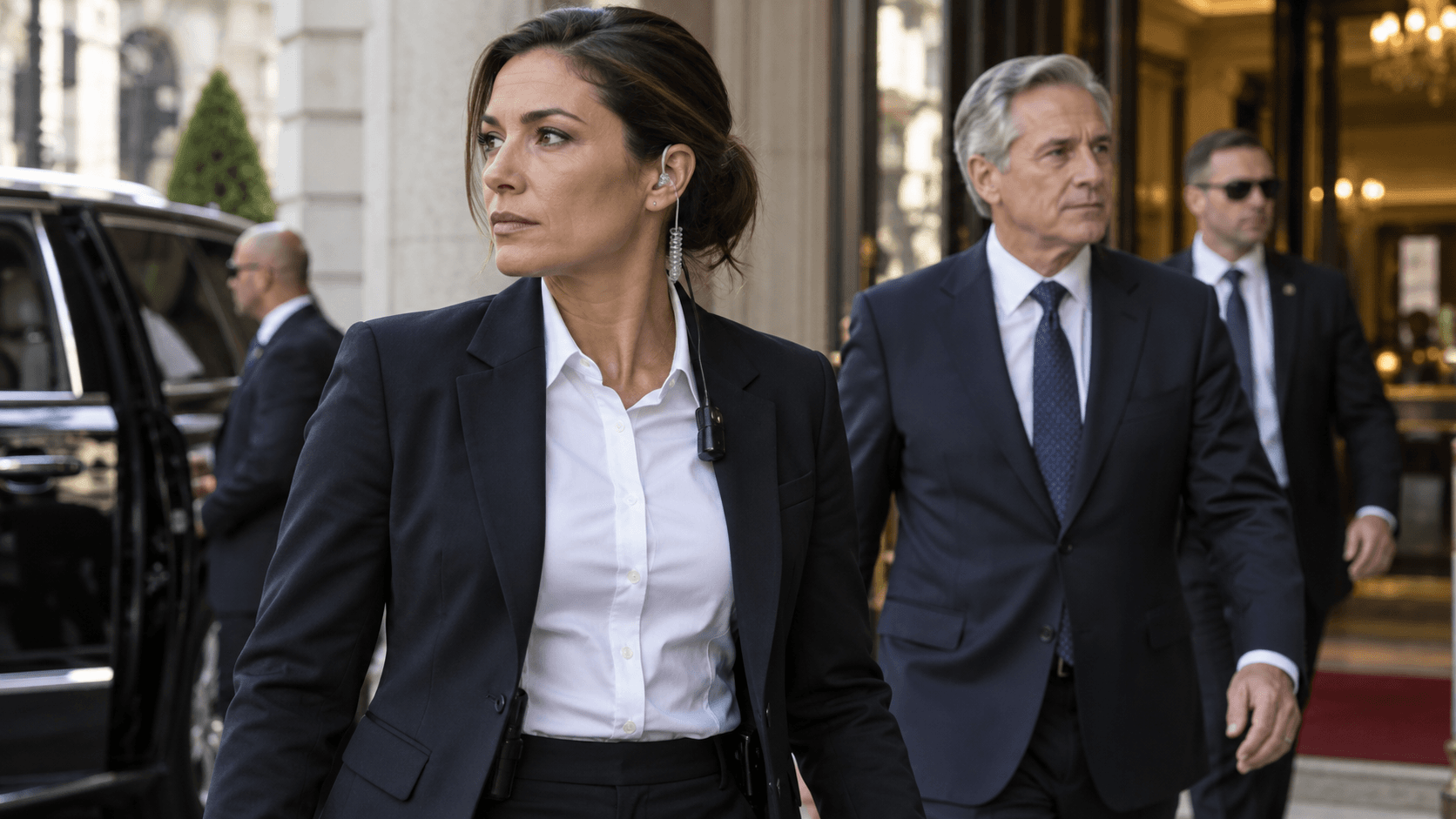
I measure development against clear benchmarks: reaction time, accuracy, communication, the ability to identify risk, correct decision-making, and performance under physical and psychological pressure. Scenario-based exercises tell me whether someone can apply a skill in a realistic situation, not just demonstrate it in a controlled one. Success looks like this: the skill becomes automatic, the operator stays calm, a developing threat gets caught early, and the right call gets made without hesitation.
The square range is a good place to build basic skills, but it does not resemble the job. Real training has to include movement: working around vehicles, entering and exiting buildings, crowded areas, different types of cover, transitions between situations, with the operator staying aware of the principal, the team, and the environment the whole time. I add physical pressure and unexpected changes on purpose, because real protection work rarely goes according to plan.
Stress inoculation only works if the stress is real, and the scenario has to force a hard choice, not just a shooting exercise. I put operators into high-heart-rate scenarios where shooting is not the right answer. If every drill ends with pulling the trigger, you are training muscle memory, not judgment, so I force them to assess and de-escalate under physical fatigue. I replicate messy, ambiguous situations: a rowdy fan in a hotel lobby, an unmarked choke point, a sudden route block. I run force-on-force drills with live role-players who react to how the operator communicates, not scripted targets.
Military doctrine and executive protection run on different rulesets, though some things carry over: weapon mechanics, discipline under stress, situational awareness, staying calm when things turn chaotic. In a combat zone, speed and violence of action take priority, because the objective is to neutralize a threat immediately, and the rules of engagement are built for a battlefield. Executive protection puts you around innocent bystanders and public spaces with strict legal boundaries instead. You cannot just react. You have to assess in a fraction of a second, confirm positive target identification, and protect the client without escalating the scene. Drawing a weapon is always the absolute last resort, not the first reaction.
If every drill ends with pulling the trigger, you are training muscle memory, not judgment.
Leadership is not something you get from a course. You get it from watching an experienced supervisor handle real chaos: how they communicate, how they manage logistics under pressure, how they deal with the client, and then you copy those moves. I hand operators the advance work, let them lead the morning briefing, or put them on FBO coordination while I step back, because full ownership of a piece of the detail is what makes someone start thinking like a lead instead of an operator. Command presence is not volume. It is calm, clear communication, concise instructions during a transition, staying grounded so the team and the client feel steady. I also step out on purpose sometimes and make an operator run the team alone, manage an unexpected schedule shift, and make the tactical calls without me in the room. Learn from a solid leader and step into their shoes while they are still around to correct you, and running your own team later stops being a leap.
Technically sound operators forget that fatigue and burnout will end a detail long before a tactical mistake does. Protection work runs on hyper-vigilance, and hyper-vigilance drains the nervous system. Skip proper rest before a detail and reaction time drops, decision-making degrades, and fatigue turns into a physical vulnerability rather than a state of mind. A clear, calm mind is what lets you read a room and catch a subtle anomaly. A stressed or burnt-out operator loses peripheral awareness and gets tunnel vision instead.
The quiet failures are the ones nobody talks about. Missing a logistical red flag because your brain is exhausted. Losing your temper with a guest because your stress tolerance is gone. Rest is operational readiness, and I teach operators to know their own limits. Asking for a rotation before your focus slips is a professional responsibility to the team and the client, not a weakness.
Working as Assistant Security Manager at the Hyatt Regency Baku changed how I teach more than any tactical course did. Part of the job was running mandatory Security Awareness and Fire Safety training for hotel staff: front desk, housekeeping, engineering. None of them were security professionals, and elite tactics mean nothing if the person at the front desk does not know how to react under pressure. I stopped lecturing about rules and started running practical walkthroughs that mirrored their actual daily environment, hands-on drills in the lobby, the hallways, the back-of-house areas, instead of telling them what to do during a fire or a security incident. Real security depends on turning everyday staff into active eyes and ears, and teaching people with no security background forced me to strip out the tactical jargon and get down to clear, fast, actionable decisions. Training was never about showing people what I know. It was about giving them the confidence and the habits to take ownership and act calmly when a real emergency happens.
The quiet failures are the ones nobody talks about.
I stopped waiting for the industry to hand me opportunities based on merit alone. Over the last six to seven months I built out my network on LinkedIn, grew my following, and connected directly with protection professionals across the world, and that work opened conversations I would not have had otherwise. Reputation and direct professional connections open doors that a good record alone does not, so I focus on documented proof: verified reference letters, director recommendations, a real portfolio of operational work. I also updated my Close Protection, Firearms, FREC 3, First Aid, and Emergency Response qualifications before pursuing international assignments. Keeping those qualifications current is essential when pursuing international security assignments.
The operators who stall out are rarely the ones who lose a gunfight. They are the ones who never scouted the route, never built the network, and assumed the job would notice them anyway. That is not bad luck. That is a choice made early, and it shows up late.