
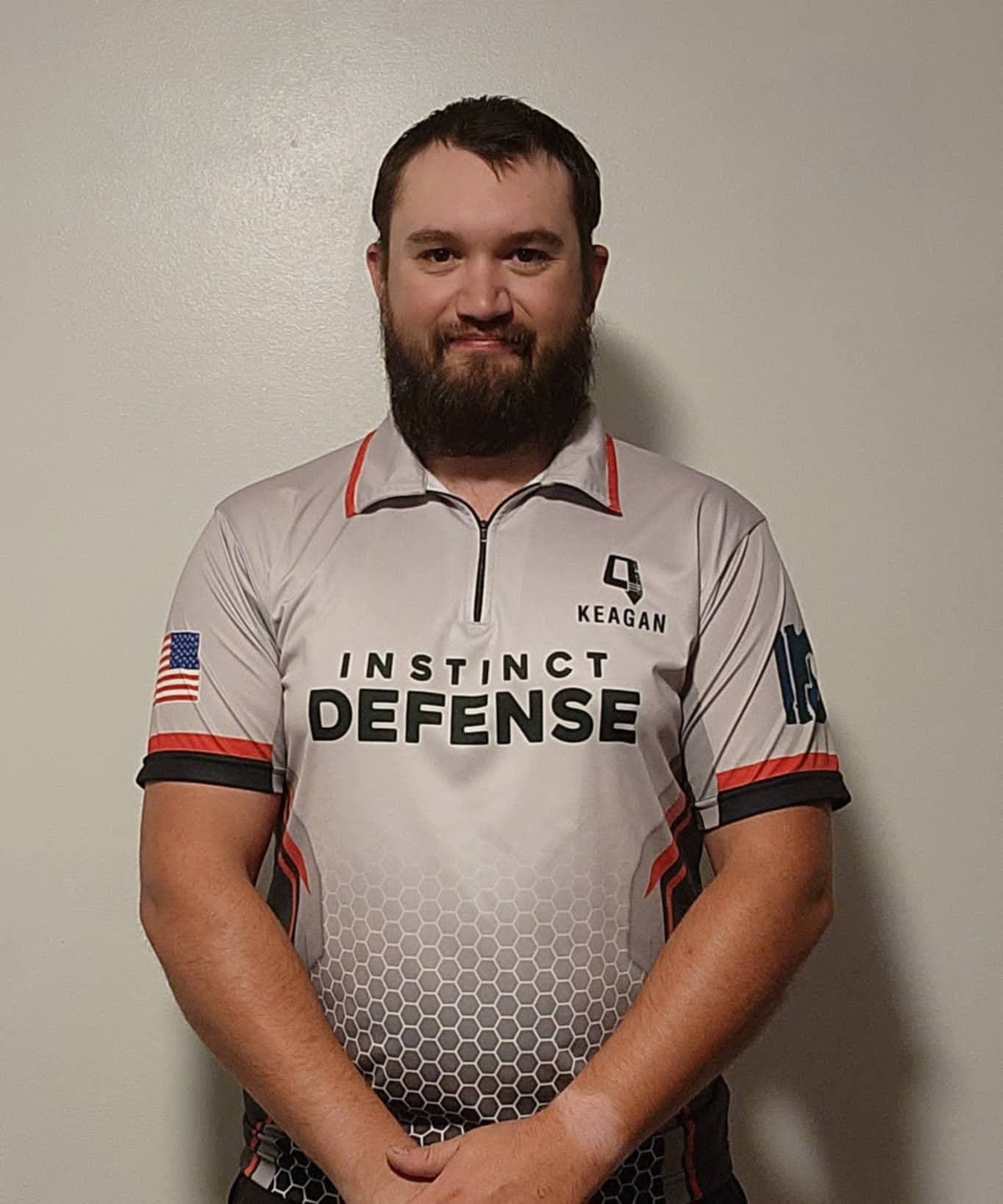
Three years in, I still remember the range session that reset how I compete. It wasn't a match. It was an afternoon with my father at Pioneer Sportsmen in Dunbarton, a new shot timer, and a stage-design app neither of us had used before. I didn't know that session would end up shaping every match I've shot since.
I set up a run and made one decision before the buzzer: push speed and accept whatever hits came with it. What came out of that session wasn't a technique. It was a number, and the number didn't match what either of us expected.
THE STAGE THAT FLIPPED MY TRAINING
My dad ran the stage clean. Center hits, no deltas, no mikes. His accuracy beat mine by a wide margin. His time didn't. My hit factor beat his anyway.
In my experience, most new competitors never test that result directly. In my own matches, a fast stage with a few acceptable hits has outscored a slow stage with clean ones more often than not. I kept pushing speed after that session, not because accuracy stopped mattering, but because I trusted it would close the gap under enough reps. It did. My hit factor climbed steadily over the following months, and the accuracy came without me chasing it head-on.
The same pattern showed up at a GPA match, where I finished first overall out of 75 competitors, with a cumulative stage time 16 seconds faster than the second-place competitor. That result reinforced what I'd been learning: disciplined speed doesn't sacrifice accuracy it builds it. The more I trained to move and shoot efficiently, the more accurate I became through repetition rather than by focusing solely on precision.
That same instinct, test it before you trust it, carried into everything else I do. Live fire access is limited for me. Ammo cost, range time, and travel all cut into how often I can put rounds downrange, so dry fire fills that gap, and it fills it heavier than most shooters in my area are willing to match. I run drills through the ACE VR system as part of that practice. It sharpens transitions between targets and keeps my focus locked on the dot instead of drifting to the target itself. The habit doesn't stop when the match ends. At one of my last matches, I bagged my Canik SFx Rival at the end of the day and the range officer told me to shut the dot off. I told him to leave it on. I'd be dry firing again once I got home anyway.
The same testing instinct changed how I handle grip and occlusion, two pieces of standard advice that never held up once I ran them myself. Occlusion works fine in dry fire. In live fire, I lose the dot almost every draw when I train that way, and losing the dot costs time I can't get back mid-stage. For me, conventional grip advice held up less reliably than I expected. The harder I squeeze, the less stable the gun feels in my hand, not more. I don't spend much mental space on grip anymore. Get the hand placed in a solid position, apply pressure that's correct and comfortable for your own hand, and learn how the gun actually moves under that grip.
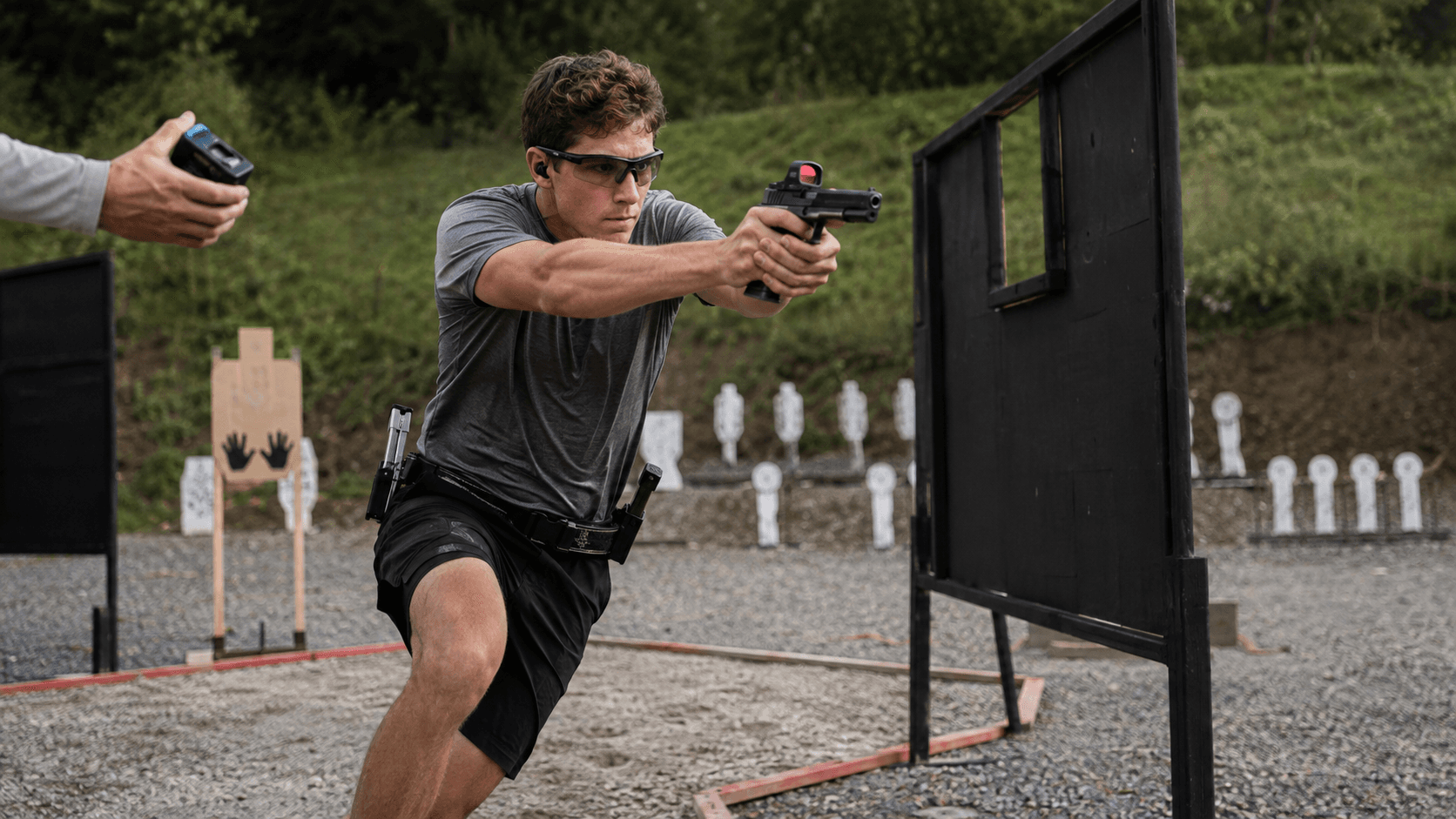
The harder I grip it, the less stable it feels. That's the opposite of what everyone tells you.
It changed how I read a stage too. Switching from Steel Challenge to USPSA, PCSL, and GPA-style matches meant switching sports in every way that mattered except the trigger pull. Steel Challenge is mostly stationary. Action pistol stages hand you multiple positions, entry and exit points, and target orders that change every time. The adjustment period was real. It took roughly four matches before I stopped reacting to a stage and started planning it, working out entry and exit before the buzzer instead of during the run. Reload points, the order targets get engaged, how quickly a position can be left for the next, all of it feeds directly into hit factor. My leaderboard position moved once stage planning became automatic instead of improvised. I give my father advice on it now, the same sport he introduced me to.
THE MISTAKE ENDS AT THE BUZZER
Many shooters sabotage the rest of a stage while it's still running. A delta, a mike, or a no-shoot lands, and the next three targets get shot worse because the shooter is still thinking about the last one. It happened to me more than once before I caught the pattern. The difference now shows up in how fast the next target gets full attention back.
You can't take back a round that already went into a no-shoot. The stage that just happened is finished the moment you holster or unload. Whatever score it produced, it produced. Carrying it into the next stage is the only mistake that's actually optional.
I competed in the New Hampshire State Championship recently and made exactly this kind of mistake on my fifth-to-last stage. I failed to engage a target, assumed it hadn't been taped and might count as a reshoot, and chose not to re-engage or clear it during the run. It wasn't a reshoot. The stage scored two mikes and a failure-to-shoot-at penalty, by my own scorecard. I asked about it once the stage closed, got my answer, and moved to the next bay before it had a chance to sit with me. That penalty never touched the rest of the match. The next stage doesn't know what the last one did.
The same principle got me out of a plateau. I sat at Master class in Steel Challenge Carry Optics right before Area 7 last year, and I could have kept grinding the same division against the same wall. Instead I switched to Rimfire Pistol Optics and Pistol Caliber Carbine Optics for a stretch. By the time Area 7 came around, I moved back to Carry Optics and Limited Optics and posted my fastest times to date. A month later, by my classification card, I earned my Grand Master rating in Carry Optics.
The plateau wasn't the division. It was the routine.