
Good instruction does not begin with correction. It begins with observation.
A student was struggling through a USCCA Instructor Candidate Certification course. Grip, stance, trigger control, sight alignment, follow-through. All of it had been covered. All of it had been reinforced. The shots still weren't landing.
The easy read was technique. Trigger jerk, maybe. Anticipation. The usual list. The more the instructor watched, the less convinced he became that the issue was related to technique.
That instinct came from a lifetime around firearms and 17 years as a Navy Hospital Corpsman, much of it was spent alongside the Marine Corps. Watching is its own skill, separate from knowing the fundamentals, and it's the one most instructors skip past on their way to the fix.
A conversation with the candidate turned up the answer. The candidate normally wore corrective lenses. They hadn't brought them to class.
That changed everything. It wasn't grip. It wasn't trigger control. It wasn't anticipation. The candidate could not see the sights clearly enough to apply what they already knew.
The Symptom Is Not Always the Cause
This is a pattern, not a one-off. A student's shots were landing low and left, the textbook signature of a trigger problem. Closer observation told a different story. Shoulders tensing before the shot. Breathing going shallow. Visible anticipation building with every round.
The trigger finger wasn't the problem. The anxiety about getting it wrong was.
Sometimes the target tells you where the rounds are going. The student tells you why.
The fix wasn't more trigger coaching. It was a few minutes off the gun, talking through breathing and accepting that not every shot needs to be perfect. Once the student let go of controlling the outcome and went back to trusting the process, the groups tightened almost immediately.
In a live-fire environment, that matters because frustration is not just a performance issue. It is a safety issue.
What looked like a shooting problem was actually a mindset problem showing up as a shooting problem.
The Loop That Traps Students
A mistake happens. The student fixates on it. Frustration builds. Confidence drops. Performance gets worse. The student fixates harder. The cycle repeats.
This isn't unique to the range. It shows up in healthcare, in military training, in classrooms teaching medical assisting students. Different rooms, different stakes, same loop. People get stuck reacting to the last mistake instead of executing the next rep.
One student kept trying to “make up for” every shot that missed the mark, rushing the next round to compensate. The harder they chase perfection, the worse it got. What they needed wasn't a new technique. They needed permission to slow down and focus on process instead of outcome.
That became the foundation of what he now calls the RIRR Performance Recovery Framework: Recognize, Interrupt, Reset, Recover. It is not a shooting trick. It is a way to help people regain clarity before one mistake becomes a pattern.
Where the Misdiagnosis Happens
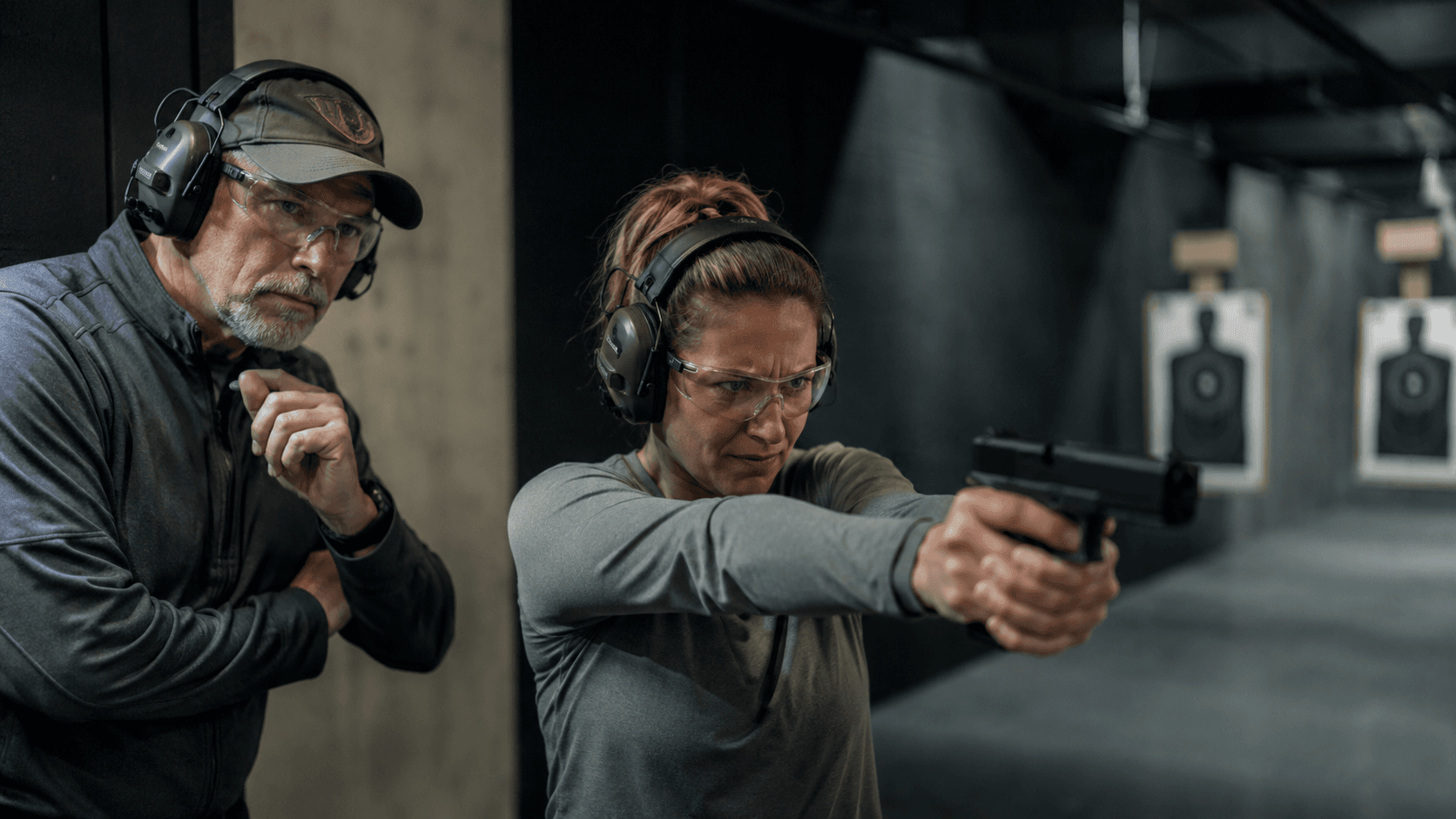
The most common mistake instructors make isn't a bad cue or a wrong correction. It's assuming every performance problem is a technical problem.
A student struggles, and the instinct is to add more. More instruction, more corrections, more information. Adjust your grip. Move your feet. Focus harder. Sometimes that's exactly right. Often it isn't.
The real issue might be apprehension. Fatigue. A confidence problem. A physical limitation nobody's identified yet, like the candidate who left their glasses at home. Piling on more information when a student is already overwhelmed doesn't help. It narrows their attention further and deepens the cycle.
The wrong fix is applying the same solution to every problem. The right fix begins with understanding the person standing in front of you.
Effective instructors learn to tell the difference between a student who needs more information and a student who needs something else entirely: a slower pace, a different question, a firm voice and clear standards, or simply the chance to reset.
What Stays with a Student
The candidate who showed up without their glasses didn't qualify that day. That part of the story doesn't have a tidy ending. But something else happened that mattered more in the long run.
Earlier in the session, before the real issue surfaced, they'd been ready to walk. Discouraged, considering leaving the course before it finished. Once the actual obstacle was named, the frustration started to fade. For the first time, they understood the problem wasn't a lack of effort or a lack of capability. It was something specific and fixable.
They stayed. They finished the course engaged. They left without a certification but with clarity, and clarity is what gets someone to come back and try again instead of quitting for good.
The candidate was not certified that day. But the candidate left with a path forward.
Outcomes matter. Nobody's arguing otherwise. But helping a student leave with an accurate understanding of why they struggled is sometimes worth more than the score itself, because it's the difference between someone who tries again and someone who decides they're just not cut out for it.
Be the Example First
If a new instructor takes one thing from this, it should be that students are always watching more than the lesson. They watch how an instructor handles mistakes, manages stress, treats people, and responds when challenged. If you expect calm under pressure, you have to model it. If you expect accountability, you have to show it first.
Be the example before you become the instructor.
Knowledge and teaching ability aren't the same skill, and assuming one produces the other is a mistake seen across every field, not just firearms. Plenty of highly skilled people struggle to teach. Some instructors with less impressive résumés turn out to have a real gift for helping someone else learn. The difference comes down to observation, patience, communication, adaptability, and a willingness to recognize that every student walks in with a different set of fears, strengths, and obstacles. For Bowen, that is the difference between running a drill and teaching a person.
The Takeaway
Students rarely remember every drill or every slide. They remember whether an instructor helped them build confidence, helped them get past an obstacle, or helped them see a path forward when they were ready to quit.
That's where the real work of instruction lives. Not in the correction itself, but in understanding what actually needs correcting before you offer the correction.
Observe before correcting. Understand before prescribing. Lead by example. Help the student find a path forward.