
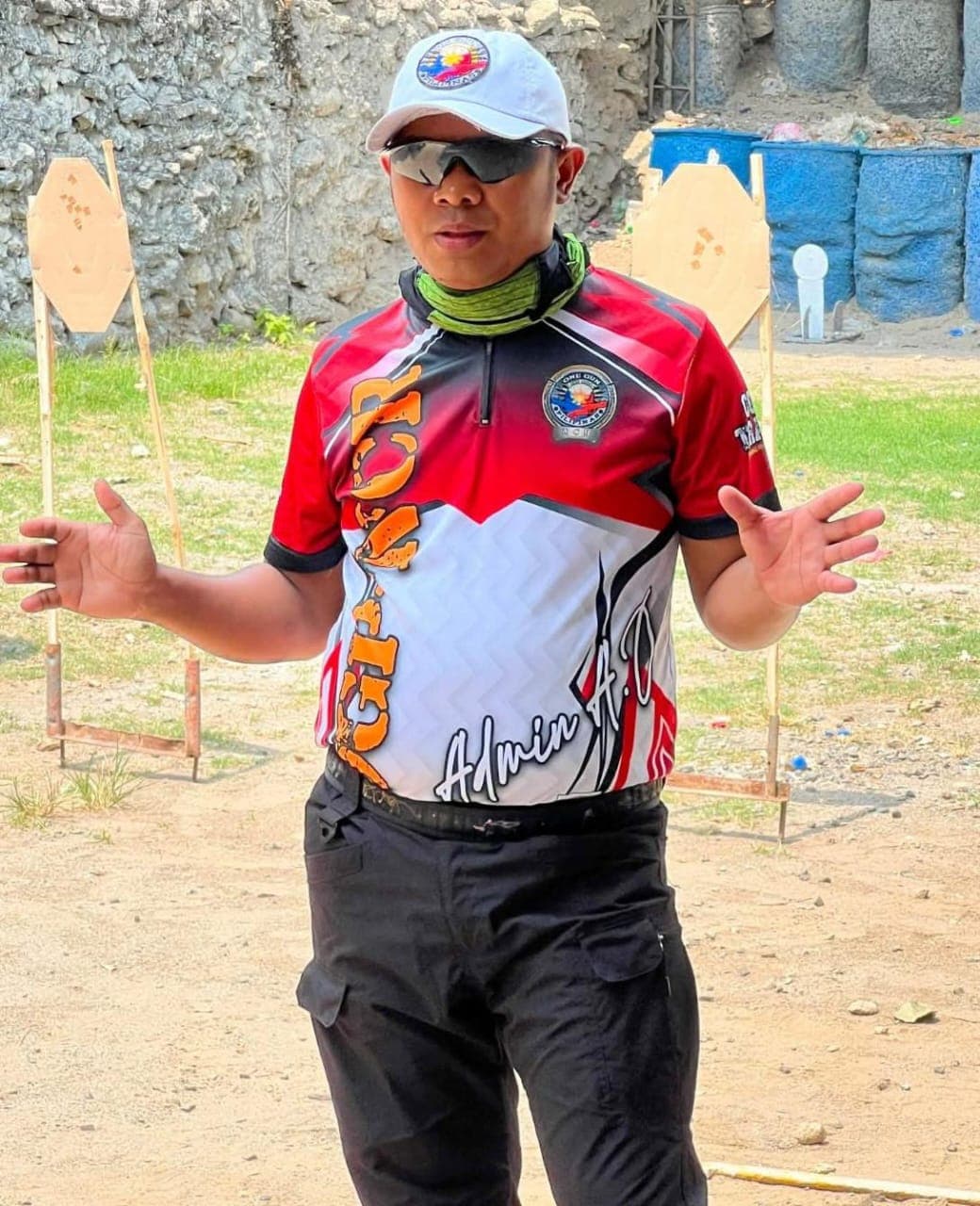
A new shooter walks to the line with an idea of firearms shaped by movies and secondhand stories. That idea survives right up until the first live round breaks. The pistol recoils and the report cracks across the bay. The shooter's posture changes without a word.
I watch for that shift every session. Shoulders square up. The jaw sets. The easy confidence they brought to the line gives way to something closer to respect. After six years and more than 1,000 students, that moment still tells me more about a shooter than any scorecard does.
What instructors can miss is what happens next: the gear check and the habits a student locks in during the first ten minutes. A rushed gear check can reinforce the flinch an instructor later misreads as poor trigger control. Before diagnosing the trigger, rule out equipment and protection problems that can amplify the same flinch.
WHAT GETS SKIPPED
Stance and sight alignment draw immediate attention. The gear itself often gets only a glance. Check that ear protection is fully seated instead of resting loosely on the head. Confirm the shooter is wearing impact-rated eye protection instead of sunglasses pulled from a bag.
Poorly seated earplugs may make a student flinch harder because enough of the muzzle blast gets through to reinforce the body's protective response on the next shot. Fix the hearing-protection seal first, then reassess the shooter's trigger press. A major source of the flinch may disappear without a single wall-drill repetition.
THE MISDIAGNOSIS
A low-left group from a right-handed shooter often gets the same diagnosis: trigger jerk. Slow down, the instructor says. Squeeze, don't pull. That cue helps when trigger movement is the cause. It fails when either of two other problems produces the same pattern on paper.
The first is recoil anticipation. As the body braces for the coming report and recoil, the hand may push the muzzle down and forward a fraction of a second too early. This isn't a finger problem. It's a subconscious reflex running ahead of conscious control.
The second is insufficient support-hand pressure. When the support hand is not carrying enough of the clamping load, the dominant hand may compensate. The dominant hand's remaining fingers may tighten along with the index finger, milking the grip and steering the muzzle down and left as the shot breaks.
Treat recoil anticipation as a grip problem and the correction misses the cause. Treat insufficient support-hand pressure as a trigger problem and the correction misses it just as easily. The pattern on the target looks similar both times, but the fix does not.
Use a three-step check before prescribing a fix: sight, pattern, movement. First, confirm the sight setup. Next, reproduce the group across five deliberate, unhurried shots. Then watch the muzzle and both hands through the final fraction of the trigger press. Anticipation often appears as a dip before the shot breaks. Grip failure may show up as a lateral twitch or a sudden tightening in the dominant hand as the trigger finger moves.
Recoil anticipation and insufficient support-hand pressure can leave a similar pattern on paper. The target alone cannot reveal which one caused it.
THE WALL DRILL
Trying to retrain recoil anticipation with live ammunition alone often stalls, because the blast and recoil that provoke the flinch are still present. I take students to a blank wall instead.
Clear the firearm completely and follow the manufacturer's dry-fire guidance. Verify that all ammunition has been removed from the room, including any rounds in pockets or nearby bags. Face a verified safe backstop with a featureless aiming area. Bring the sights up, focus on the front sight or dot, and press the trigger slowly until it breaks.
The standard is simple: the sight should remain as still as possible through the break. A blank aiming area removes the urge to chase a score, and dry practice removes the blast and recoil. The drill isolates a clean trigger press so the student can repeat it until the click no longer produces a visible dip.
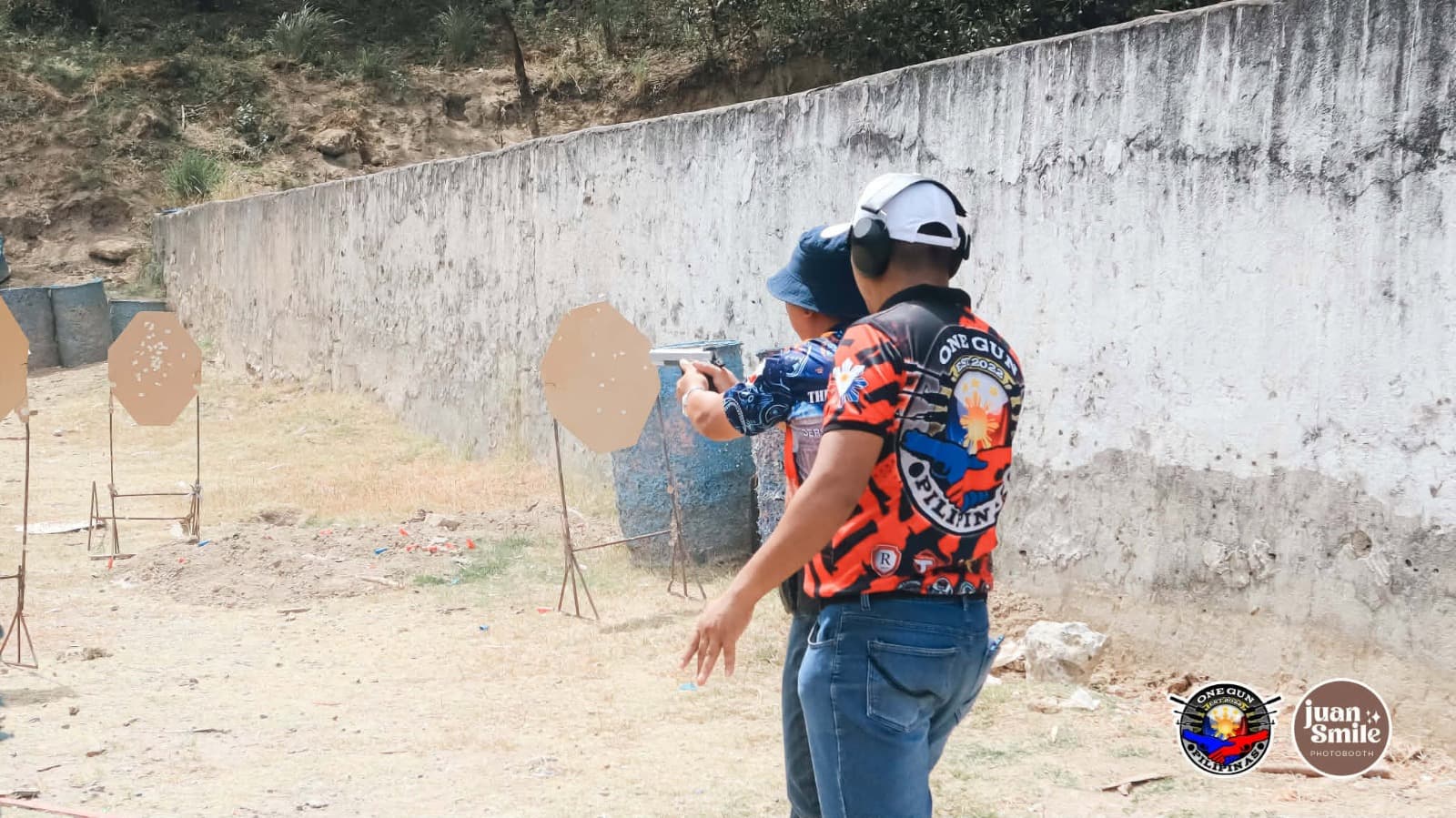
Then test that result in live fire. Compare the sight picture on the dry-practice press with the first few live rounds. If the wobble returns once the round is real, the dry work has not yet transferred to live fire.
THE GRIP CHANGES THE PHYSICS
A higher, fuller support-hand grip reduces muzzle movement because it changes how force moves through the firearm, not because the student simply tries harder.
When the pistol fires, recoil drives it rearward. Because the bore sits above the hands, that force also creates torque that rotates the muzzle upward unless the grip resists it. Pressing the fleshy part of the support-hand palm flat against the grip panel increases friction across the contact surface. Set the dominant hand as high as the pistol allows under the beavertail to shorten the distance between the bore axis and the hands, reducing the leverage that drives muzzle rise.
That produces less muzzle flip and a faster return to the same sight picture. In diagnosis, consistency shows up before centered accuracy does, and that sequence matters. A repeatable off-center group gives the instructor more to diagnose than an occasional center hit that cannot be repeated.
Consistency shows up before centered accuracy. A repeatable off-center group tells an instructor more than an accidental center hit.
THE PATTERN REPEATS
I see this pattern in new shooters and in veterans who've carried the same habit for years without naming it. For a right-handed shooter, recoil anticipation and insufficient support-hand pressure are common contributors, but sight setup, trigger-finger placement, and uneven grip pressure can produce a similar group.
Faster corrections often begin when the instructor watches the body through the final half second of the trigger press instead of studying the hole afterward. Grip tension and muzzle movement, along with where the eyes settle in that interval, often carry more diagnostic information than the target alone.
Under time pressure, a corrected pattern can unravel. The old pattern may return the moment the shot timer chirps, because the timer reintroduces the urgency the wall drill was designed to remove. Return to untimed repetitions, then add a generous par time and tighten it gradually toward the standard. Confirm that the group stays stable at each step.
DIAGNOSIS REQUIRES HUMILITY
Six years on the range have taught me that scripted diagnoses are comfortable, but they can make an instructor stop observing. The moment an instructor assumes every low-left group is a trigger jerk, the shooter in front of them has disappeared behind the script.
Nearly every student reveals something, whether it's a new way a grip fails or a new way stress shows up in someone's hands. An instructor who stops learning is more likely to mistake a familiar pattern for a familiar cause.
Don't reach for a stock correction just to sound decisive. Watch closely enough to identify the failure in front of you, then teach to that, not to the textbook case. If a student asks something you cannot answer confidently, say so and follow up instead of guessing. That honesty builds more durable trust than another demonstration of speed.
Students copy what instructors model before they absorb what instructors say.
When an instructor cuts a corner on diagnosis, students learn that the first guess is good enough. Confirm the pattern, then prescribe the correction. That sequence teaches students that a correct fix starts with watching, not assuming.
CLOSING
The target records where the shot landed. The instructor's job is to see what moved before the shot broke.