
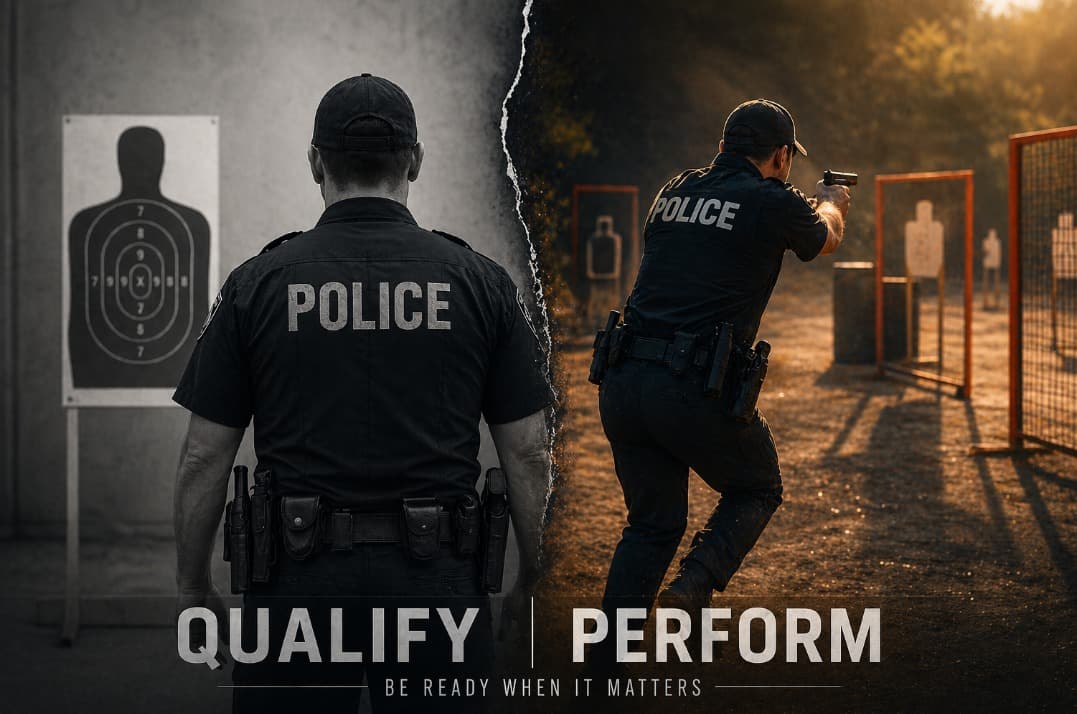
She was 85 years old and had never fired a gun in her life.
She’d been cleaning out her late husband’s belongings when she found it: a handgun she didn’t recognize, hadn’t asked for, and wasn’t sure what to do with. She wasn’t ready to part with it. So she signed up for my CWP class.
When she walked onto the range, I could see the nerves. I understood them. To someone who has never fired a weapon, that first shot isn’t just a mechanical event. The noise. The recoil. Before any of that becomes manageable, it’s a mystery, and mystery on a range becomes hesitation.
I didn’t put a target up.
Instead, I had her send five rounds into the berm. No score. No target. No expectation beyond getting familiar with how the gun moves when it fires. What it sounds like at close range. How the grip feels when the slide cycles. None of that is intuitive to a first-time shooter, and none of it should be learned under the added pressure of a scored qualification.
After five rounds, she looked at me and said she felt ready.
She scored 23 hits out of 25 possible.
When she was done, she didn’t want to leave. She wanted more training. That reaction tells you everything about what actually happened that day. She didn’t just pass. She had an experience that made her want to continue. That’s a different outcome than passing, and it comes from a different kind of instruction.
Most instructors skip the only step that actually determines the outcome.
In nursing, we call the first step taking a history. You do not treat the symptom until you understand the patient. A presenting complaint tells you something. The patient’s history, their medications, their baseline tells you what you’re actually working with. Skip that step and you’re guessing, regardless of how good your clinical training is.
The same discipline applies on the range. An 85-year-old widow holding her late husband’s gun is not the same student as someone who bought their first firearm last week and considers themselves prepared. Both deserve your full attention. Neither deserves your assumptions.
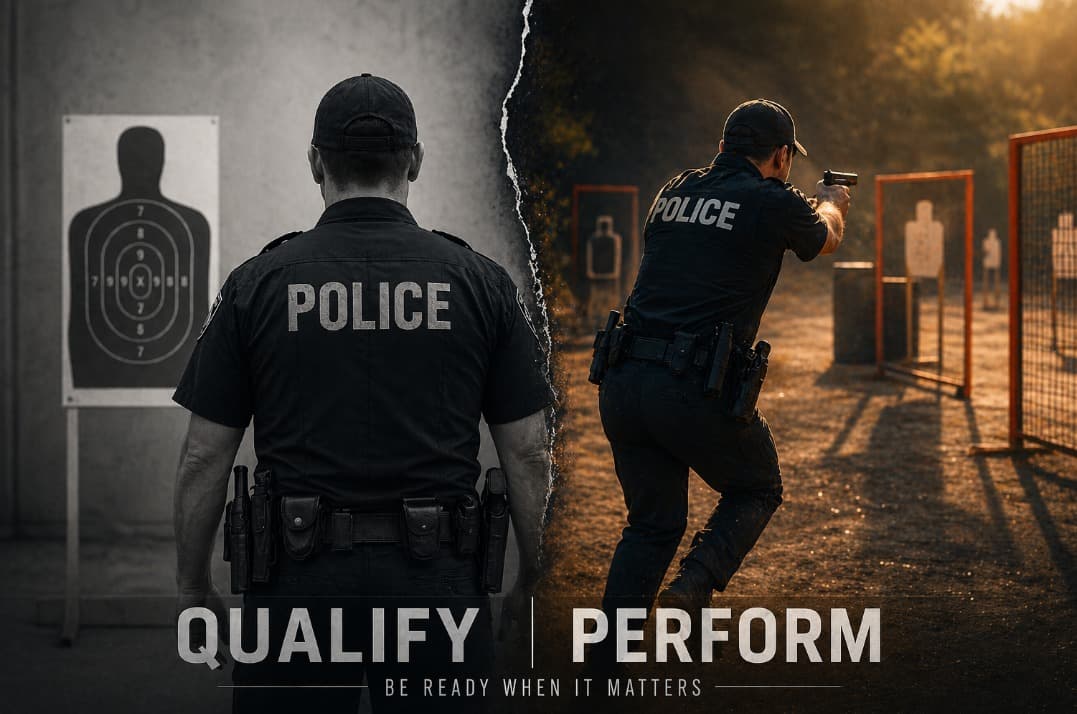
What I’ve seen across four years of instruction, reinforced by seventeen years as a nurse and a decade in military fire and emergency services, is that most instruction failures are not curriculum failures. They are assessment failures. The instructor taught the right material to the wrong picture of the student.
The instructor taught the right material to the wrong picture of the student.
What the Range Actually Requires
CWP classes make this especially visible. South Carolina law does not require a basic firearms course as a prerequisite. That means a single class can hold someone who has been shooting for twenty years alongside someone who has never touched a gun. If you walk in with a fixed curriculum and no assessment, you will fail at least half that room: either by boring the experienced shooter or overwhelming the new one.
This is where I see instructors cut corners, not out of carelessness but out of habit. They have a class plan. They run the class plan. They get through the material and everyone goes home with a result. What they never find out is how much better those results could have been if they had spent ten minutes at the start doing nothing but listening.
I ask my students what brought them in. Not as small talk. As assessment. Someone who shows up because their daughter insisted is carrying different anxiety than someone who made the appointment themselves. Someone who has handled firearms but never sought formal training is dealing with different habits than someone starting from zero. Those are not the same teaching challenges and they do not get the same opening.
Rapport is not a courtesy. It is the mechanism by which a student gives you accurate information about themselves. If someone is embarrassed about their experience level, they will not tell you they are nervous. They will perform confidence they do not have and then fall apart when the pressure is real. Building a few minutes of genuine connection before the first round goes downrange changes what a student is willing to show you. What they are willing to show you determines whether your instruction lands.
My background in emergency services trained me to read people fast. A patient in distress does not always tell you how much pain they are in. You watch. You ask the right questions. You create enough safety that they stop performing and start communicating. That skill transfers directly to the range. The student who is gripping the gun too hard, scanning the room, or going quiet is telling you something. Whether you catch it depends on whether you were paying attention from the moment they walked in.
Familiarization firing, rounds without a target, without pressure, without a score, is not a technique I invented. But it works because it closes an information gap before it becomes a performance gap. When a student understands how the gun behaves before they are asked to perform with it, the mechanics you taught them have a chance to function. When they do not have that foundation, you are asking them to execute under anxiety they did not need to carry.
The qualification score is documented. It is the legal threshold. It matters. But the work that produces a good score happens in the conversation before the scored portion begins, in the assessment, in the decision about what this particular student needs right now.
We train until we can’t get it wrong. But most instructors never ask themselves whether they have done the one thing that makes the training stick. Finding out who is standing in front of them before they start teaching.
That is not a soft skill. That is the job. Everything else is delivery.